2026-11-05 · Derek Ryberg
How to File a Roofing Insurance Claim After Storm Damage
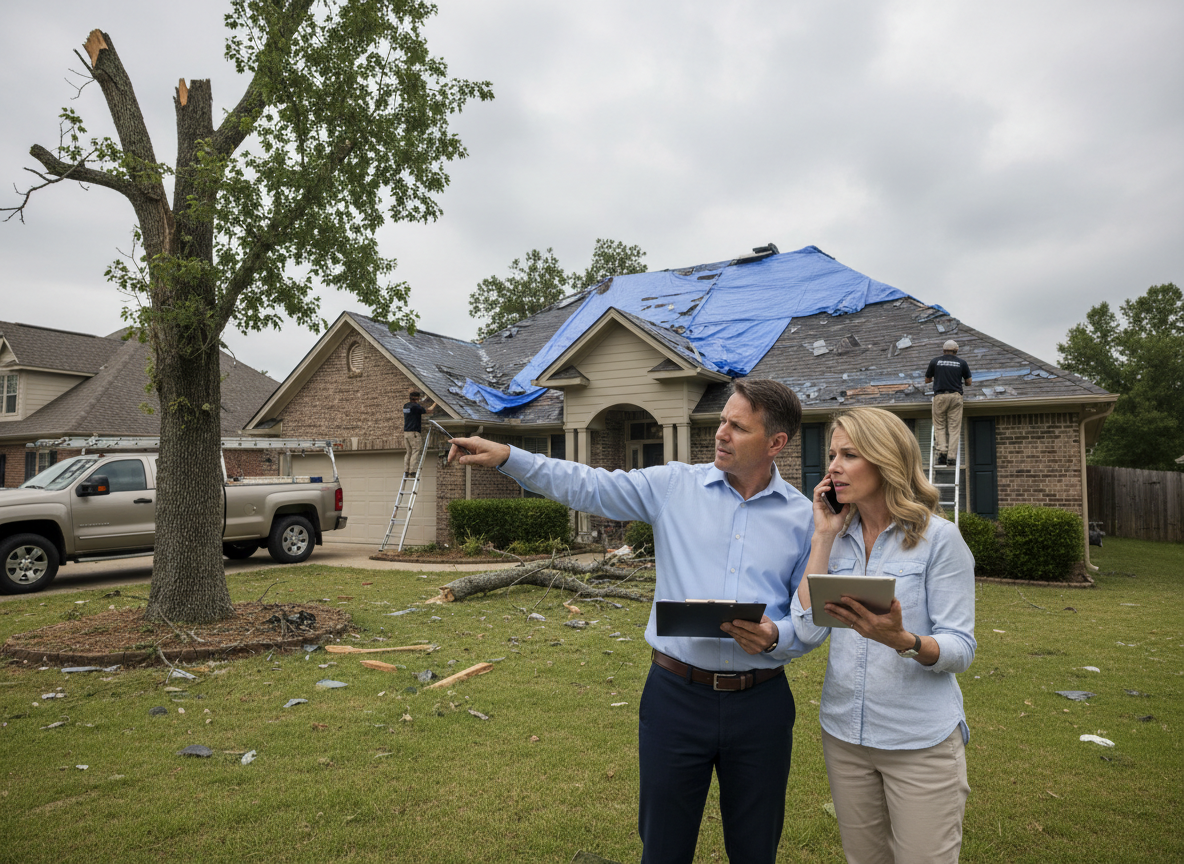
Start by documenting every visible sign of storm damage with dated photos and videos from multiple angles before any repairs begin. In Auburn's humid subtropical climate with warm summers, hail and high winds from Alabama storms frequently affect roofs in neighborhoods like Downtown Auburn, The Village, Hickory Hills, and Pepperell, so note granule loss, dented shingles, or lifted edges right away.
Documenting Storm Damage Thoroughly
Take clear, timestamped photos of the roof from the ground and attic if safe, plus any interior water stains or ceiling damage. Include close-ups of impacted areas near landmarks such as Jordan-Hare Stadium or Toomer's Corner, where older housing stock in Lee County often shows wear from repeated weather cycles. Measure and note the approximate square footage affected and any debris like tree limbs from nearby properties. Store copies in the cloud and on a physical drive. This record helps prove the damage ties directly to a specific storm event rather than gradual aging. Homeowners in areas like Pepperell often find that early photos prevent disputes over pre-existing conditions common in humid conditions.
Notifying Your Insurance Provider Promptly
Call your insurer within 24 to 48 hours of discovering the damage and reference the exact storm date that hit Auburn. Provide your policy number, property address in Lee County, and a brief description of visible issues such as missing shingles or leaks. Ask for the claim number and the name of the assigned adjuster. Keep a written log of every conversation, including dates, times, and representative names. Many policies require prompt notice, and delays can complicate claims for homes in The Village or Hickory Hills where summer storms arrive quickly. If your roof shows signs of widespread impact, mention any related interior damage early to keep the file complete.
Preparing for the Insurance Adjuster Visit
Walk the adjuster through all damaged sections and point out evidence tied to the storm, such as hail dents on metal flashing or wind-lifted underlayment. In Auburn, adjusters familiar with Lee County conditions often inspect for both roof and attic issues, so have attic access ready and any prior repair receipts on hand. Avoid signing anything that releases the insurer from further liability until you review the full scope. If the initial offer seems low compared to local replacement costs for similar homes near Tuscaloosa or Montgomery, request a second inspection in writing. Storm damage repair specialists in the area routinely see claims adjusted upward after owners supply additional photos from multiple storm events.
Reviewing the Claim Decision and Scope of Work
Read the insurer's written decision carefully and compare it against your documentation and local contractor estimates. Auburn roofs in older neighborhoods like Pepperell may need full replacement rather than spot repairs when underlayment is compromised by humidity and repeated wind exposure. Request a detailed scope that lists materials, labor, and any code upgrades required in Lee County. If the offer falls short, submit a written supplement with new photos or contractor input within the allowed timeframe. How Alabama storms and hail damage Auburn roofs explains common patterns that help homeowners explain why certain repairs qualify. Do not begin work until the claim is approved in writing.
Moving Forward After Claim Approval
Once approved, schedule work with a contractor who understands Auburn's permitting process and Lee County building codes. Obtain written estimates that match the approved scope and timeline. Homeowners near Jule Collins Smith Museum of Fine Art or in The Village often coordinate timing around university events to minimize disruption. Keep all receipts and progress photos for the final payment release. If the damage extends beyond the initial assessment, notify the insurer immediately rather than absorbing extra costs. Roof repair vs replacement: what Auburn homeowners should know outlines when full replacement becomes the practical choice after storm claims. Track the entire process from first call to final inspection to protect your investment.